Italy Calls for Equal Access to Treatment for Rare Diseases
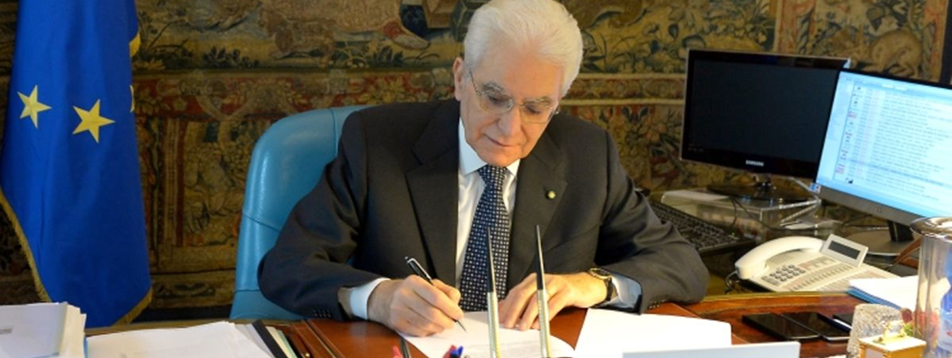
Italian President Sergio Mattarella, in a statement marking Rare Disease Day, emphasized the need to ensure equal rights and opportunities for patients to receive healthcare, regardless of the nature of their condition. In 2026, particular attention during this international observance was devoted to equality of access to treatment.
The head of state noted that providing care for people with rare diseases presents particular challenges and should not be limited to the provision of medicines. A comprehensive approach is required, encompassing various forms of therapy, medical procedures, and services at every stage of treatment.
Treatment Must Include Medicines and Rehabilitation
Despite advances in medicine, treatment options for rare diseases remain limited. According to figures cited by Mattarella, specific pharmacological treatments are currently available for only 5% of the more than 8,000 known rare diseases.
For this reason, the President emphasized the importance of scientific research and the development of new therapeutic approaches. At the same time, patients must have access not only to medicines but also to rehabilitation services and the social and healthcare support required throughout treatment.
According to Mattarella, Italy is actively working to improve access to medicines for rare diseases and reduce the time between a medicine's official authorization and its actual availability to patients.
Access to Healthcare Varies Across Regions
The President identified territorial disparities in healthcare provision as one of the persistent challenges. Patients in different parts of Italy may still face differences in their actual ability to access the care they need.
Mattarella stressed that such disparities create unacceptable inequalities. The constitutionally guaranteed right to health protection must be upheld equally throughout the country, regardless of where a patient lives.
Ensuring equal access therefore requires not only the availability of medicines and treatment methods but also the practical ability to obtain essential healthcare and social services in every region of Italy.
Research and Patient Organizations Remain Essential to the System
The statement also highlighted the role of scientific research. Since specific pharmacological treatments are still unavailable for most rare diseases, further research into these conditions is directly linked to expanding diagnostic and treatment options.
Mattarella also expressed his support for people living with rare diseases, their families, and organizations representing patients' interests. These associations contribute to the development of public policy and help raise public awareness of the challenges faced by people with rare diseases.
The President emphasized that access to treatment must be regarded as a matter of equal rights. Advancing research, reducing regional disparities, and providing patients with comprehensive medical and rehabilitation care remain the principal priorities for achieving this objective.
More news:

Italy joined the Gaza Board of Peace as an observer, maintaining its involvement in international diplomatic initiatives concerning the region's future and humanitarian issues.
Read article
In the Bratislava Declaration, Italy and its partners expressed support for reforms, the EU Growth Plan, and the gradual integration of Western Balkan countries into the European single market.
Read article
Italy Africa Business Week brought together representatives of government institutions, businesses, and international organizations to discuss investment, energy, healthcare, infrastructure, and green finance.
Read article