Italy and Partners Call for Faster Integration of the Western Balkans into the EU
Italy, together with six other European Union Member States, called for further progress toward EU membership for the Western Balkans. This position was set out in the Bratislava Declaration, adopted on May 12, 2026, by the foreign ministers of the Friends of the Western Balkans group and their partners from the region.
The group comprises Italy, Austria, Croatia, Czechia, Greece, Slovenia, and Slovakia. The European Commissioner for Enlargement also attended the meeting in Bratislava. Participants reaffirmed their support for the European perspective of the Western Balkans and described the region's integration as a long-term strategic investment in Europe's stability, security, and economic development.
Accession Must Depend on Meeting the Criteria
The authors of the declaration emphasized that EU enlargement must remain predictable, fair, and merit-based. Meeting the agreed requirements should lead to tangible and timely progress toward membership.
The Copenhagen criteria and other agreed accession conditions remain the foundation of the process. Western Balkan countries are expected to continue structural reforms, strengthen good-neighborly relations, and promote regional cooperation. Particular emphasis was placed on the need for closer alignment with the EU's Common Foreign and Security Policy.
The Italian Ministry of Foreign Affairs identifies six partners in the region seeking European integration: Albania, Bosnia and Herzegovina, Kosovo, North Macedonia, Serbia, and Montenegro. Italy intends to keep their closer integration with the EU among the priorities of the European political agenda.
The Growth Plan Should Accelerate Necessary Reforms
The EU Growth Plan for the Western Balkans remains one of the key instruments for bringing the region closer to the European Union. Participants in the meeting urged the countries of the region to make full use of the financial opportunities it provides to implement the reforms necessary for membership.
The Growth Plan involves more than financial assistance. Its objective is to gradually bring the region's economies closer to the European Union even before formal accession, deepen regional economic cooperation, and ensure the implementation of reforms linked to European integration. The plan's financial instrument, the Reform and Growth Facility, provides up to EUR 6 billion for reforms and investments.
Participants in the Bratislava meeting also proposed that the European Commission prepare a continuation of the Growth Plan beyond 2027, taking into account the results of its initial implementation period.
SEPA and Roaming Should Deliver Benefits Before Membership
The declaration places particular emphasis on the gradual integration of the Western Balkans even before their accession to the European Union. This approach is intended to allow citizens and businesses to experience the practical benefits of closer EU integration at an earlier stage.
Specific priorities include access to the Single Euro Payments Area (SEPA) and the further extension of EU roaming benefits to the Western Balkans. However, the objective is the gradual alignment of conditions rather than the automatic extension of all rights enjoyed by EU Member States to the region.
The European Commission also considers gradual integration into the single market a central component of the Growth Plan. This includes facilitating trade, improving transport and digital connectivity, and enabling partners to participate in specific European market mechanisms once the necessary requirements have been met.
Integration into the Single Market Will Be Gradual
The ministers called on the European Commission to present new proposals for the further gradual integration of the Western Balkans with the EU, including sectoral integration into the European single market. At the same time, candidate countries must continue domestic reforms and prepare to fulfill the obligations associated with full membership.
The Bratislava Declaration also emphasizes that the European Union itself must prepare for future enlargement. This issue should be taken into account, in particular, during discussions on the EU's next multiannual budget for 2028–2034.
Italy regards the integration of the Western Balkans not only as a process of EU enlargement but also as a matter of European security. The Italian Ministry of Foreign Affairs highlights the region's importance for Europe's stability and continues to support regional cooperation, infrastructure projects, and closer engagement with European institutions.
The Bratislava Declaration reaffirms the commitment to gradually providing Western Balkan countries with practical benefits of European integration while they work toward meeting the membership criteria. However, the pace of each country's further progress will depend on the results of its reforms and compliance with the conditions established by the EU.
More news:

Italy supported the conclusion of negotiations on the EU–India free trade agreement. The agreement provides for reducing trade barriers and creating new opportunities for Italian exporters.
Read article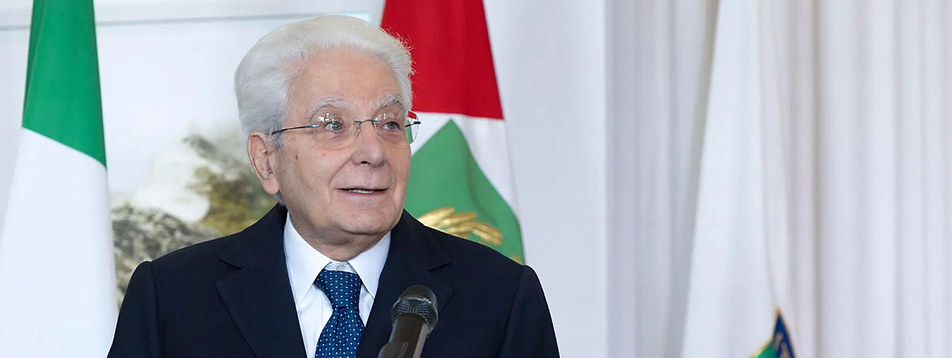
Italian President Sergio Mattarella emphasized the importance of education as a human right, equal opportunities, and young people's participation in the development of society.
Read article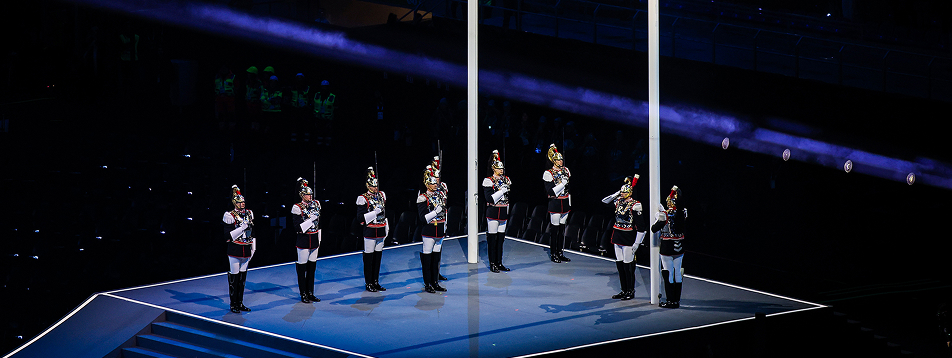
The International Olympic Committee awarded the Olympic Cup to the people of Italy in recognition of their support for Milano Cortina 2026 and the contributions of citizens and volunteers to the organization of the Games.
Read article