Mattarella: Education Must Remove Social Barriers and Engage Young People
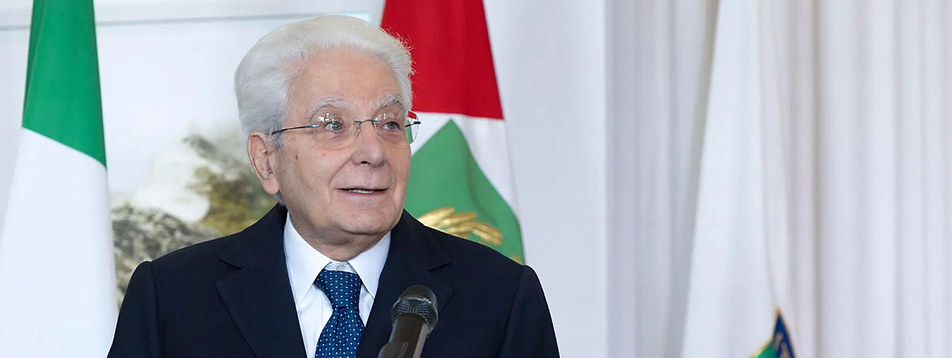
Italian President Sergio Mattarella issued a statement marking the International Day of Education, observed on January 24. The head of state emphasized the fundamental role of education in protecting human dignity, ensuring the exercise of individual rights, and developing a democratic society.
According to the President, education has historically been one of the key drivers of social development and modernization. Amid profound social and economic changes, the education system must also evolve while maintaining its ability to respond to new challenges.
Education as a Fundamental Right
Mattarella described education as a fundamental human right and a public good. In the President's view, its significance extends beyond acquiring knowledge and professional skills: education contributes to building a cohesive, participatory, and democratic society.
The head of state paid particular attention to equal opportunities. Education should help remove economic and social barriers that effectively restrict citizens' freedom and equality, hinder the full development of individuals, and prevent their participation in the country's political, economic, and social life.
This position is directly linked to one of the fundamental principles of the Italian Constitution: the state's obligation to promote the removal of obstacles that prevent substantive equality among citizens and the full development of individuals. The official text of the Constitution is published on the website of the President of the Italian Republic.
Young People Must Participate in Shaping the Education System
A distinctive feature of the International Day of Education in 2026 was its focus on the role of young people in shaping modern education systems. Mattarella noted that young people should be regarded not only as recipients of education but also as active contributors to changes in this field.
According to the President, modern and inclusive education systems must take the aspirations of younger generations into account and equip them with the tools needed to understand developments in society. At the same time, young people need practical skills that enable them to act independently and become full participants in public life.
Thus, the President's statement presents inclusive education as more than a matter of access to schooling. Its purpose is also to create conditions in which an individual's social or economic circumstances do not become barriers to personal development, acquiring knowledge, or future participation in the country's affairs.
Education as the Foundation of a Free Society
Mattarella linked access to education with individuals' ability to think freely, make decisions, and participate in public affairs. The development of the education system therefore remains not only a social priority but also one of the conditions necessary for preserving democratic institutions and equal opportunities.
The President's statement emphasizes the need to adapt education to changing circumstances while preserving its essential function: promoting personal development, reducing social inequality, and creating opportunities for younger generations to participate actively in society.
More news:
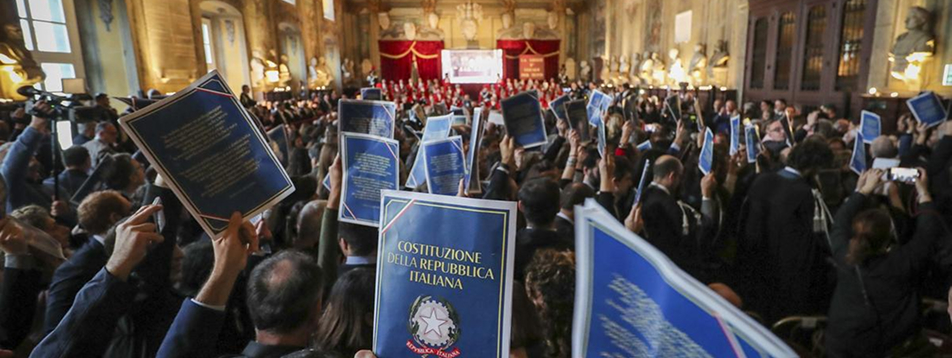
A majority of referendum participants voted against the reform, which proposed separating the career paths of judges and prosecutors and establishing a separate disciplinary body.
Read article
Law No. 54 introduced changes affecting public events, law enforcement activities, certain immigration procedures, and international protection rules.
Read article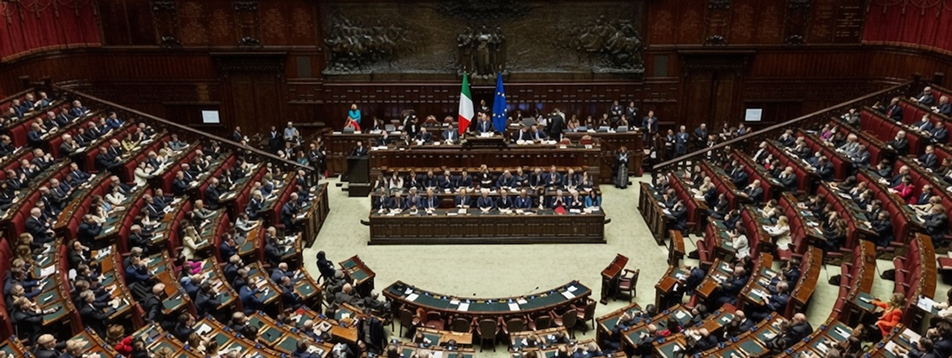
The Chamber of Deputies approved a proposal for a proportional electoral system with a mechanism for allocating additional seats. The legislative process is ongoing, and the bill has been referred to the Senate for consideration.
Read article